


Industries
One engine, an edition for each industry.
Every edition runs the same engine. It reasons from what its tools read, checks the result in code, governs what it remembers, and sends the combinatorial parts to IBM Quantum. The one thing that changes by industry is the domain module, which carries that industry's tools, seeds and gates.

Telecom
Fault correlation, remediation simulation, network-operations policy, nighttime cell sleep, backhaul and channel optimization. Full loop demonstrated; first operator pilot being arranged.
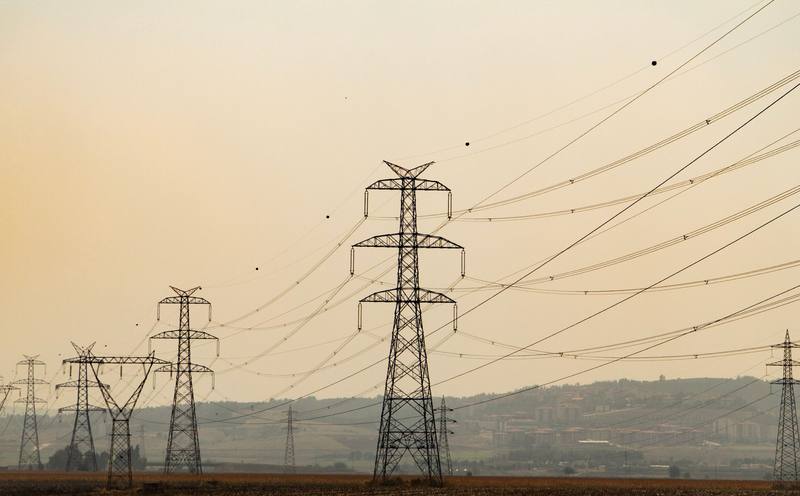
Energy
Asset operation, load balancing, outage response and energy-saving schedules over the utility's own systems.

Semiconductor
Fab scheduling, tool allocation and data movement between fab systems.

Retail
Demand, assortment and store-operations questions over the retailer's own transaction and inventory systems.
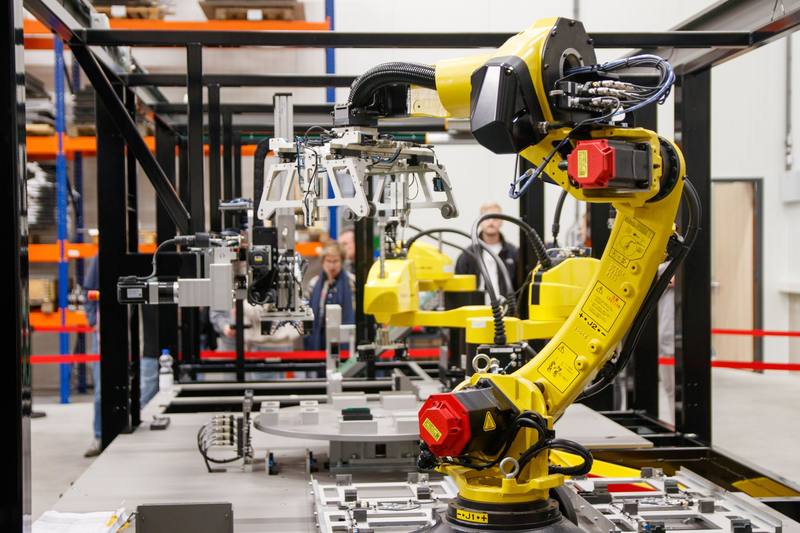
Manufacturing
Process and equipment scheduling, material routing, inspection resource allocation.

Defense
Readiness, logistics and asset-allocation questions inside closed networks. Guardian checks every step, and in the defense edition a person approves before anything is executed.
What an edition is
The engine stays; the domain module changes.
- Tools
- How the engine reads that industry's systems. For telecom it reads alarms and topology; for retail, transactions and inventory.
- Seeds
- The reference model of the domain. It holds the objects, how they relate to one another, and the standard operating procedures.
- Gates
- The band we test every action against, taking its pessimistic edge. Depending on the industry that is a service level or a safety limit.
- Quantum instances
- The combinatorial problems of that industry, written in a form a quantum computer can solve. Each one comes with a known classical optimum to compare the answer against.
Talk to us about your operating data.
Tell us which system holds the question you cannot ask today. A person answers every message.